

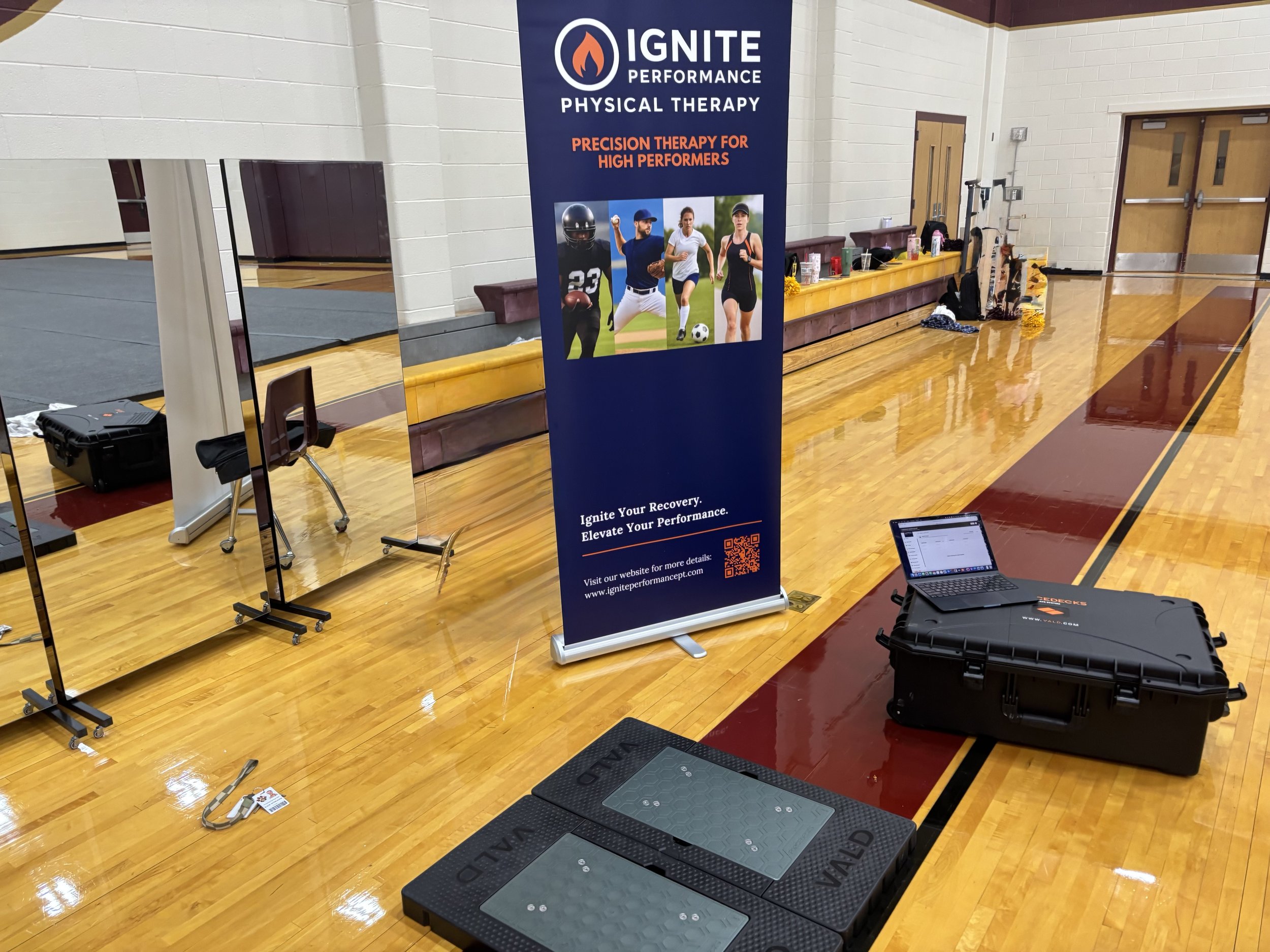
How Ignite Helps Athletes Move From Injury to a Confident Return to Sport
Being pain-free is not always the same as being ready for sport. Learn how Ignite combines individualized evaluation, progressive rehabilitation, objective testing, and sport-specific training to guide athletes back to participation and performance.

Rest Between Sets Matters: How Long Should You Really Rest?
How long should you rest between sets? The answer depends on your training goal. Learn how rest periods affect strength, power, muscle growth, endurance, and movement quality—and why recovery should be treated as part of the exercise prescription.
Rest Days Are Not Lazy: Why Recovery Belongs in Every Training Plan
Rest days are not lost training days. They give the body time to recover, adapt, and prepare for the work ahead. Learn how planned recovery, gradual workload progressions, and attention to fatigue can help athletes train more consistently and perform at a higher level.
Sleep Is Training
Sleep is not time away from training—it is part of how the body recovers, adapts, and prepares for the next session. Learn how sleep quantity, quality, consistency, and common habits can affect athletic performance, soreness, focus, and recovery.
Read the latest blog from Ignite Performance Physical Therapy in Dripping Springs.
Being Fit Is Not the Same as Being Ready for Fall Sports
Summer training matters, but being fit is not always the same as being ready for fall sports.
School conditioning, camps, lifting, private training, and staying active can all help athletes build a strong foundation. The next step is making sure that work carries into the speed, volume, fatigue, and sport-specific demands of practice.
This week’s blog talks about how athletes can move from summer fitness to season readiness.
Fit is the base. Ready is the goal.

Knee Pain in Soccer Athletes: Why It Happens and What to Do About It
Knee pain in soccer athletes is not always caused by one bad step or one specific injury. Sometimes it builds when the athlete’s recent workload exceeds what they have been prepared to tolerate over time. Sprinting, cutting, kicking, decelerating, tournaments, increased minutes, and fatigue can all contribute. At Ignite, we look at the athlete’s workload, movement, strength, and sport demands to help calm symptoms down and build them back toward soccer with confidence.
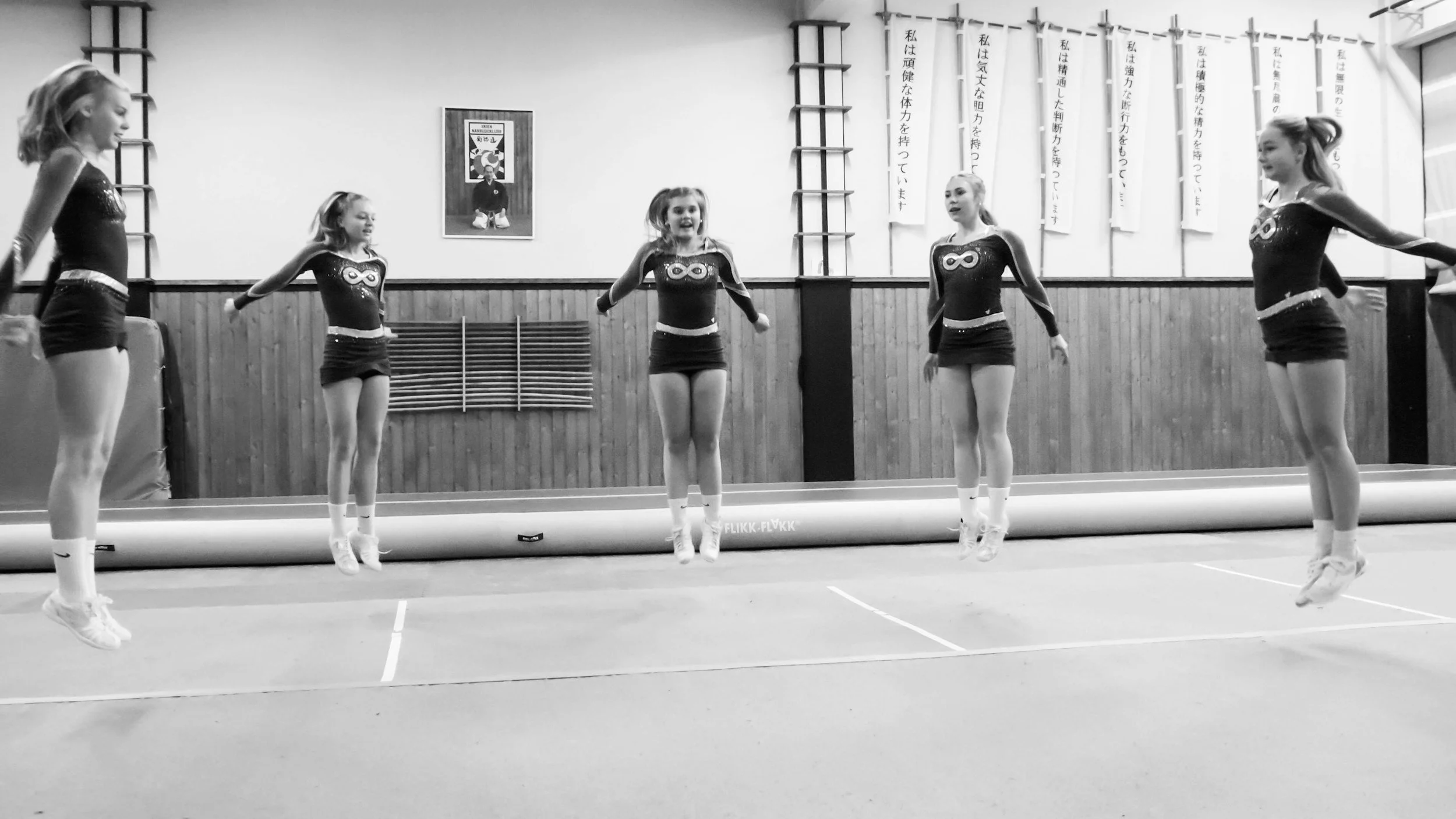
Knee Pain in Gymnasts and Cheerleaders: When High Impact Meets High Volume
Gymnasts and cheerleaders put a lot of demand on their knees.
Jumping, landing, tumbling, stunting, and repeating skills over and over again can add up quickly — especially when volume increases and recovery is limited.
This week’s blog breaks down common sources of front-of-knee pain in gymnasts and cheerleaders, why the painful spot is not always the whole story, and how smart load management can help athletes build capacity instead of just pushing through pain.
Read the full blog to learn more.
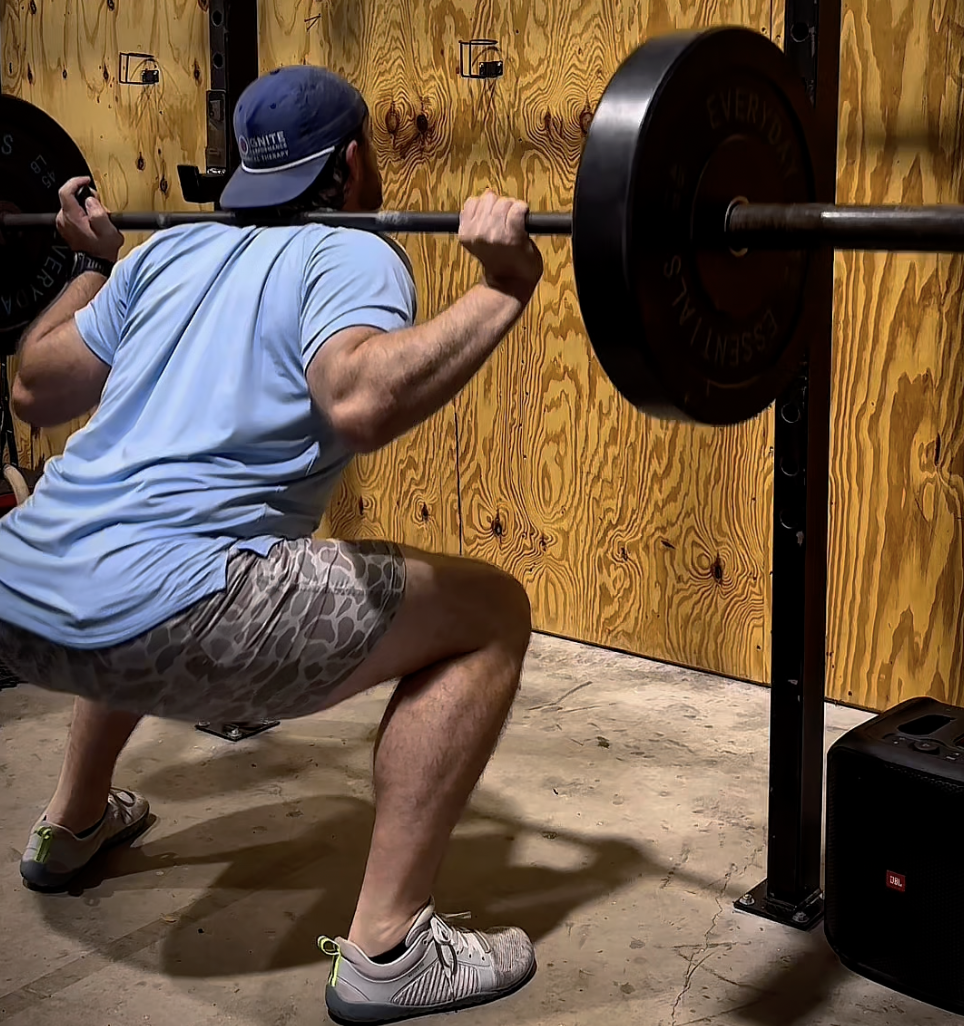
Knee Pain in the Gym: Why Your Knee May Not Be the Real Problem
Knee pain in the gym is not always just a “knee problem.”
If your knees hurt during squats, lunges, step-ups, or lower-body workouts, the issue may be related to how your hips, ankles, feet, and trunk are helping control movement and load. Rest may calm symptoms down temporarily, but it often does not address why the pain keeps coming back.
In this week’s blog, we discuss why knee pain can show up during gym movements, why movement assessment matters, and how smart exercise modifications can help you keep training while building confidence and strength.

Why the Outside of Your Knee Hurts When You Run
Outside knee pain while running is often associated with IT band syndrome, but the solution is not always just stretching, foam rolling, or using a massage gun.
This week’s blog breaks down why IT band pain often comes down to load, capacity, hip strength, single-leg control, running mechanics, and recovery — and how a better assessment can help identify what needs to be trained next.
How to Train for Summer Performance Without Increasing Injury Risk
Summer is a great opportunity for athletes to build strength, speed, agility, and confidence — but more training is not always better training.
This week’s blog breaks down how to train for summer performance with a structured plan, why an athlete needs analysis matters, and how to build qualities like strength, deceleration, re-acceleration, conditioning, and recovery while being intentional about injury risk reduction.
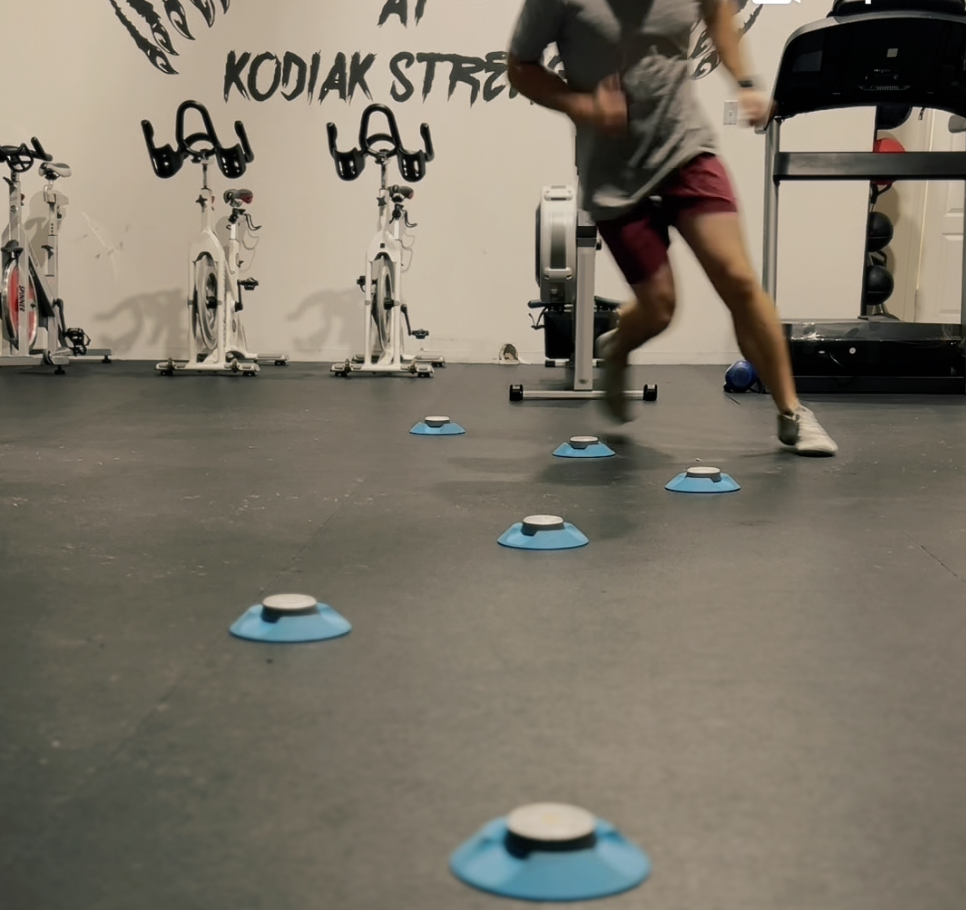
Reactive Agility: Why Change of Direction Training Has to Progress Beyond Cones
Reactive agility is more than running through cones. This week’s blog breaks down the difference between change of direction and agility, why reaction and decision-making matter for athletes, and how training should progress toward sport-specific movement.
At Ignite Performance Physical Therapy, we use a systematic approach to help athletes build speed, agility, and performance while modifying injury risk.
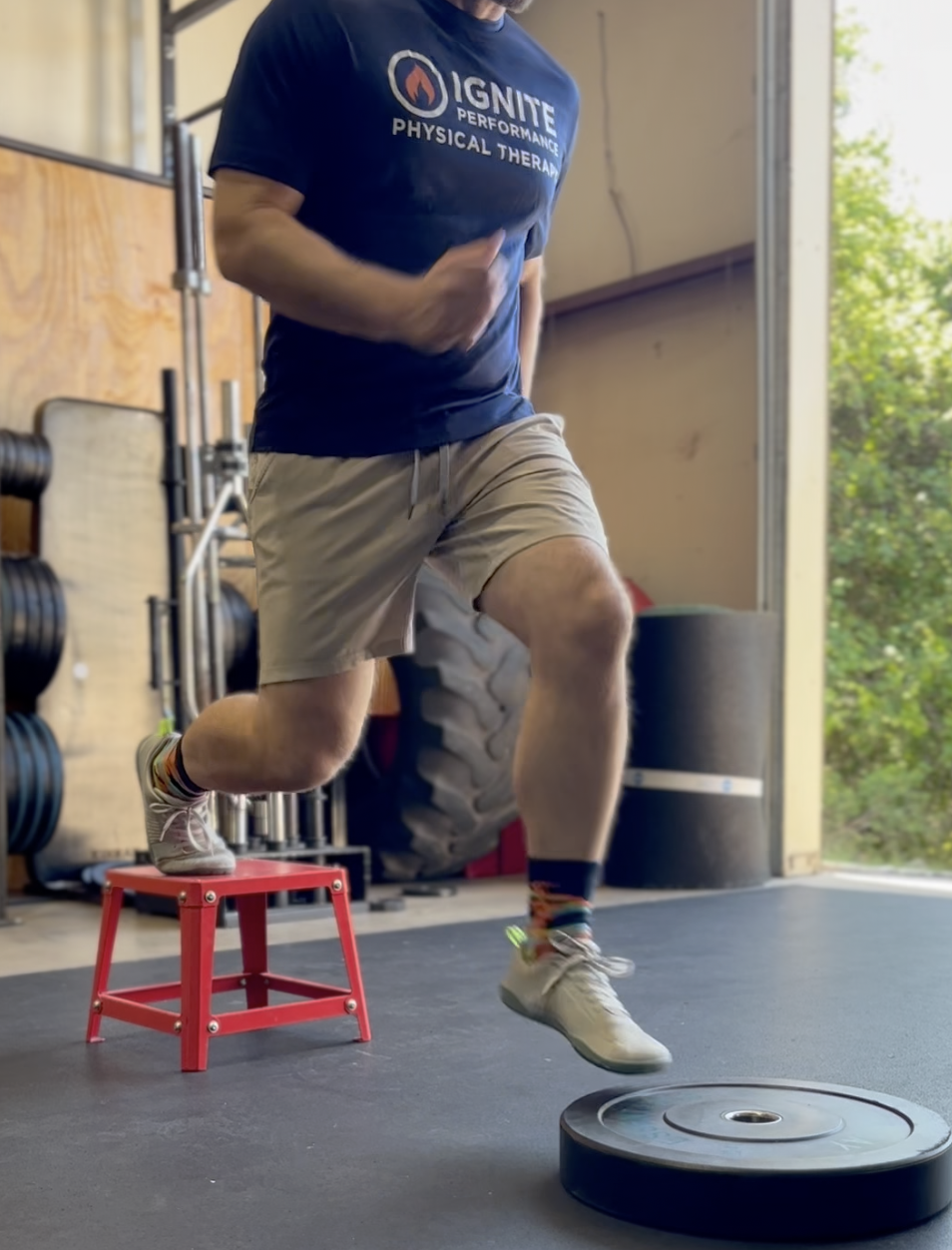
From Braking to Power: Why Change of Direction Requires More Than Quick Feet
This week’s blog breaks down how athletes transition from braking to re-acceleration, why force production matters, and how exercises like single-leg RDL to step-ups and Bulgarian split squat pogos can help build the qualities needed for speed, agility, injury prevention, and performance.
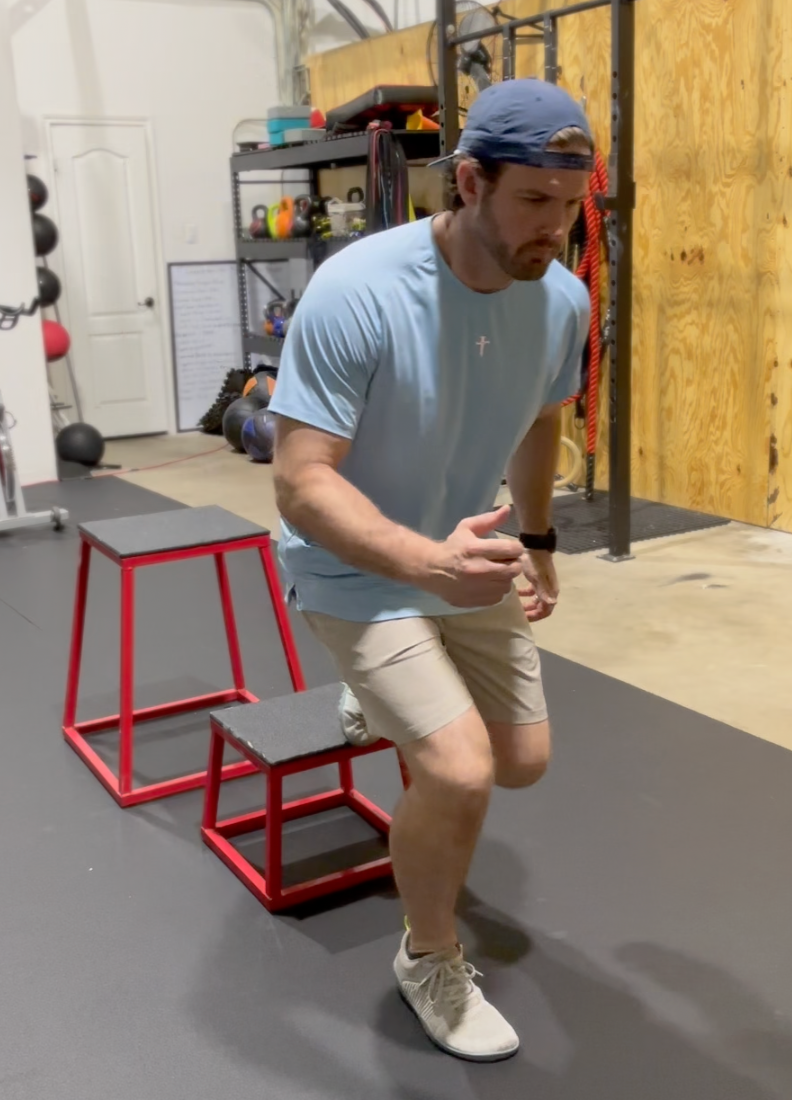
Why Eccentric Strength Matters for Change of Direction
Most athletes focus on getting faster—but performance and injury prevention also depend on how well they can slow down and control force.
This week’s blog breaks down why eccentric strength is such an important part of change of direction, deceleration, and re-acceleration. We also explain how we assess force production and use that information to guide training.
If you or your athlete are working on speed, agility, or performance, this is an important piece to understand.
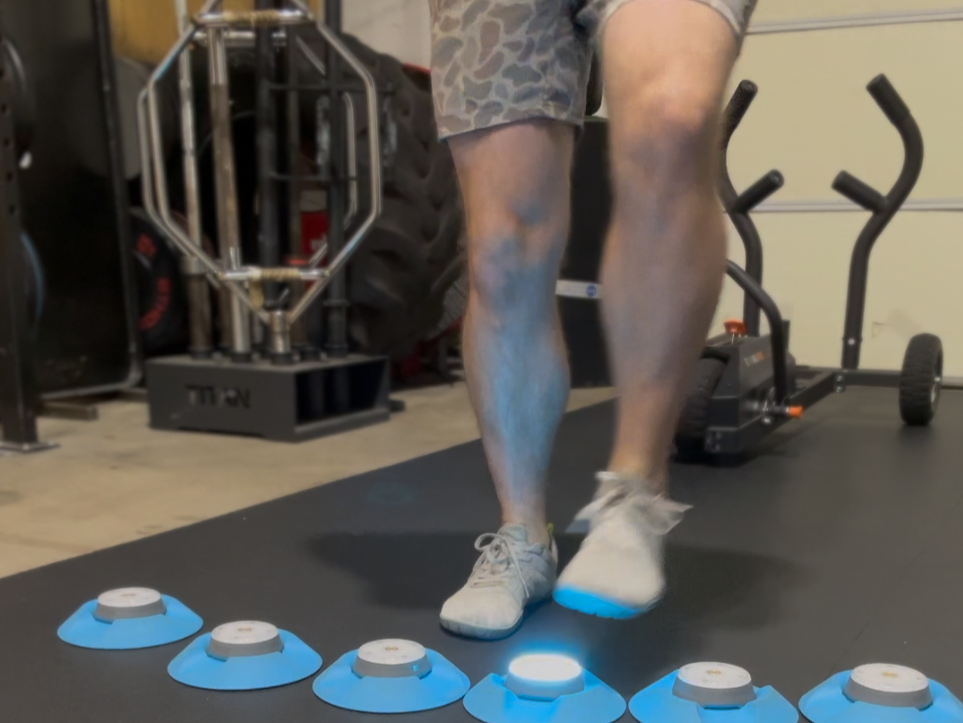
Why Change of Direction Matters More Than You Think
Most athletes train speed—but overlook how they slow down and change direction. This blog introduces change of direction (COD) and why it plays a critical role in both performance and injury prevention. Learn how proper assessment, control, and progression can help athletes move more efficiently and stay healthy.

You Train to Throw Hard—But Do You Train to Slow It Down?
Most baseball players train to throw harder—but few train to control what happens after release. In this blog, we break down why the deceleration phase is critical for performance, arm health, and injury prevention, and what athletes should be doing to stay durable on the mound.
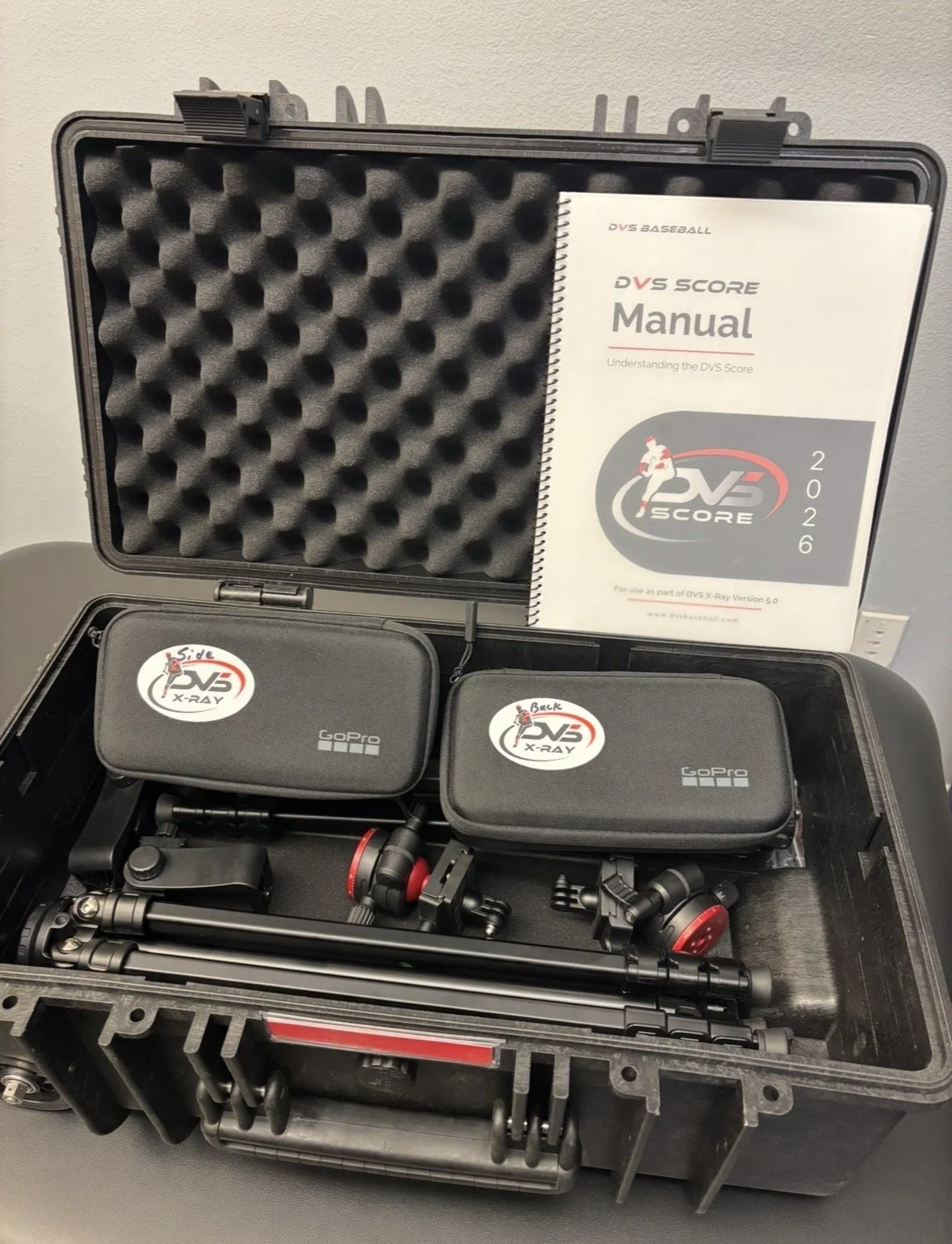
The Complete Pitcher: Why Longevity is the Ultimate Performance Metric
At Ignite Performance Physical Therapy, we specialize in keeping athletes and active adults in the game. With MLB Opening Day upon us, our focus is on the "Complete Pitcher." We believe that while velocity is a vital tool, efficiency and mechanics are the foundation of longevity. We don't just treat the arm; we evaluate the entire kinetic chain—from the ground up. Utilizing evidence-based research and the DVS Score System, we help pitchers identify mechanical "red zones," optimize force transfer through the trunk, and build a body capable of throwing hard for years to come. Whether you’re recovering from an injury or looking to normalize your injury risk through our Performance & Readiness Diagnostics, our mission is to help you ignite your recovery and elevate your performance.