

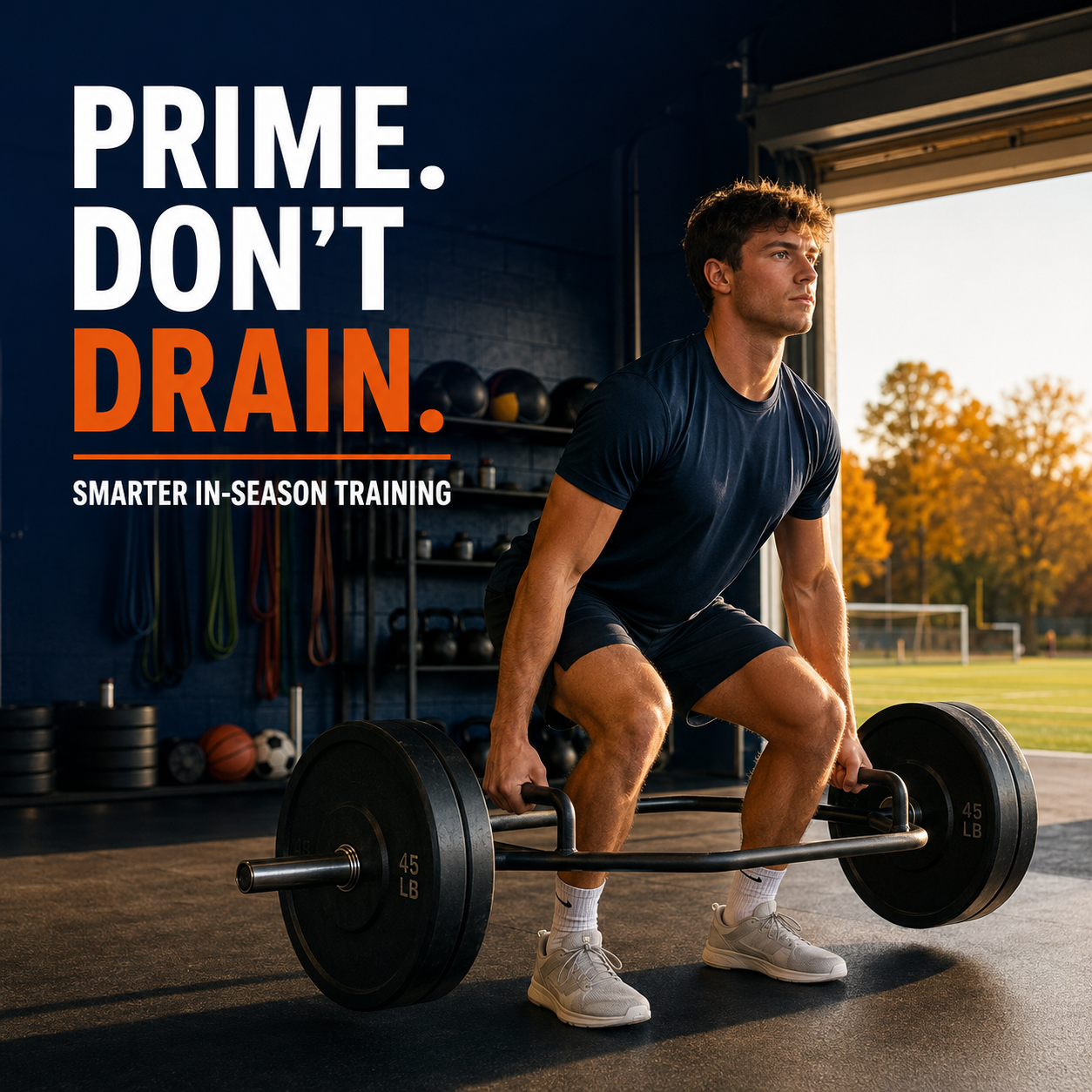
Should Athletes Strength Train During Their Sports Season?
Strength training shouldn’t disappear when an athlete’s season begins—it should adapt. Learn how focused, appropriately timed training can help athletes maintain strength, speed, and power without creating unnecessary fatigue before practices and competitions.

Rest Between Sets Matters: How Long Should You Really Rest?
How long should you rest between sets? The answer depends on your training goal. Learn how rest periods affect strength, power, muscle growth, endurance, and movement quality—and why recovery should be treated as part of the exercise prescription.
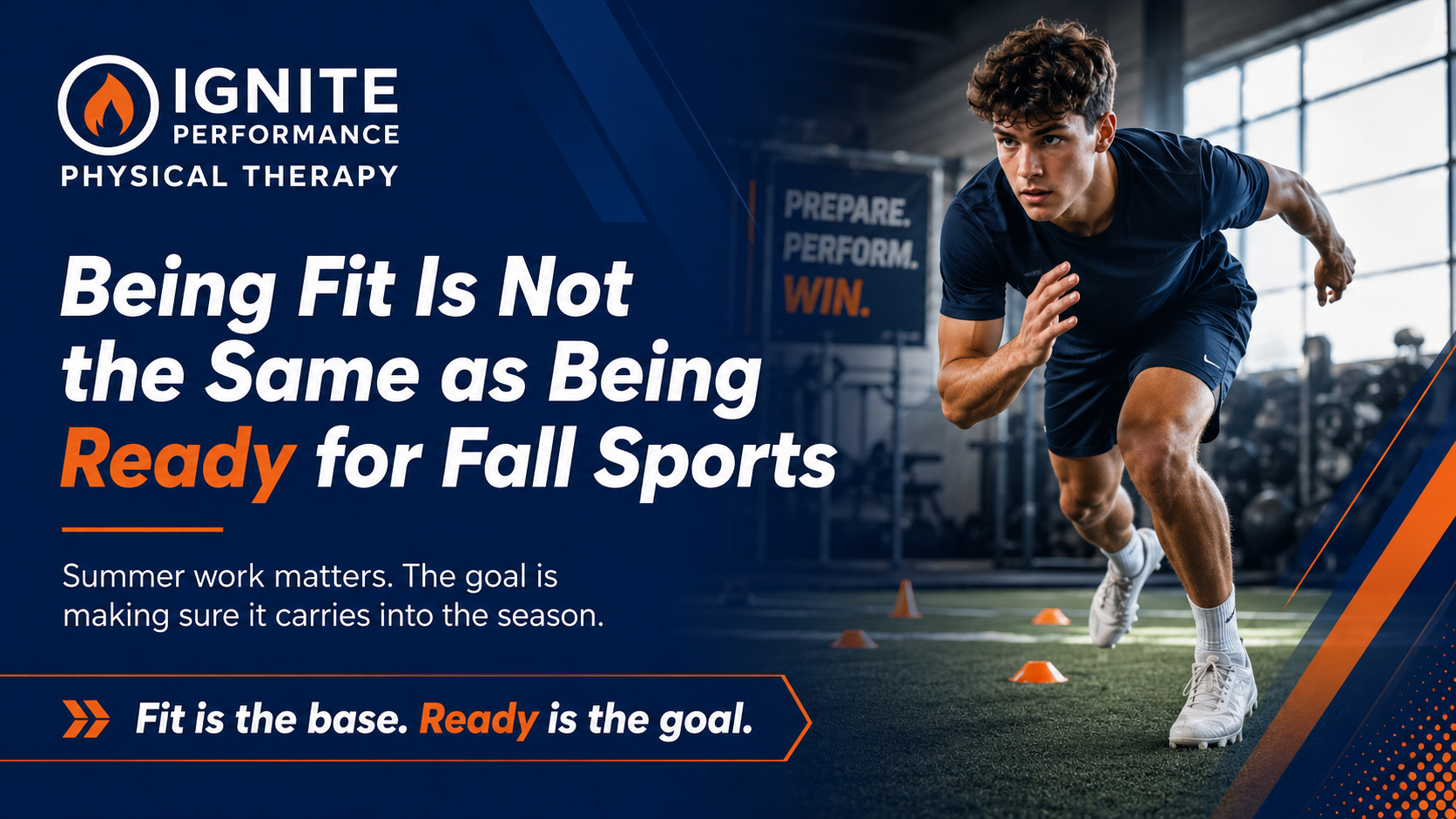
Being Fit Is Not the Same as Being Ready for Fall Sports
Summer training matters, but being fit is not always the same as being ready for fall sports.
School conditioning, camps, lifting, private training, and staying active can all help athletes build a strong foundation. The next step is making sure that work carries into the speed, volume, fatigue, and sport-specific demands of practice.
This week’s blog talks about how athletes can move from summer fitness to season readiness.
Fit is the base. Ready is the goal.
How to Train for Summer Performance Without Increasing Injury Risk
Summer is a great opportunity for athletes to build strength, speed, agility, and confidence — but more training is not always better training.
This week’s blog breaks down how to train for summer performance with a structured plan, why an athlete needs analysis matters, and how to build qualities like strength, deceleration, re-acceleration, conditioning, and recovery while being intentional about injury risk reduction.
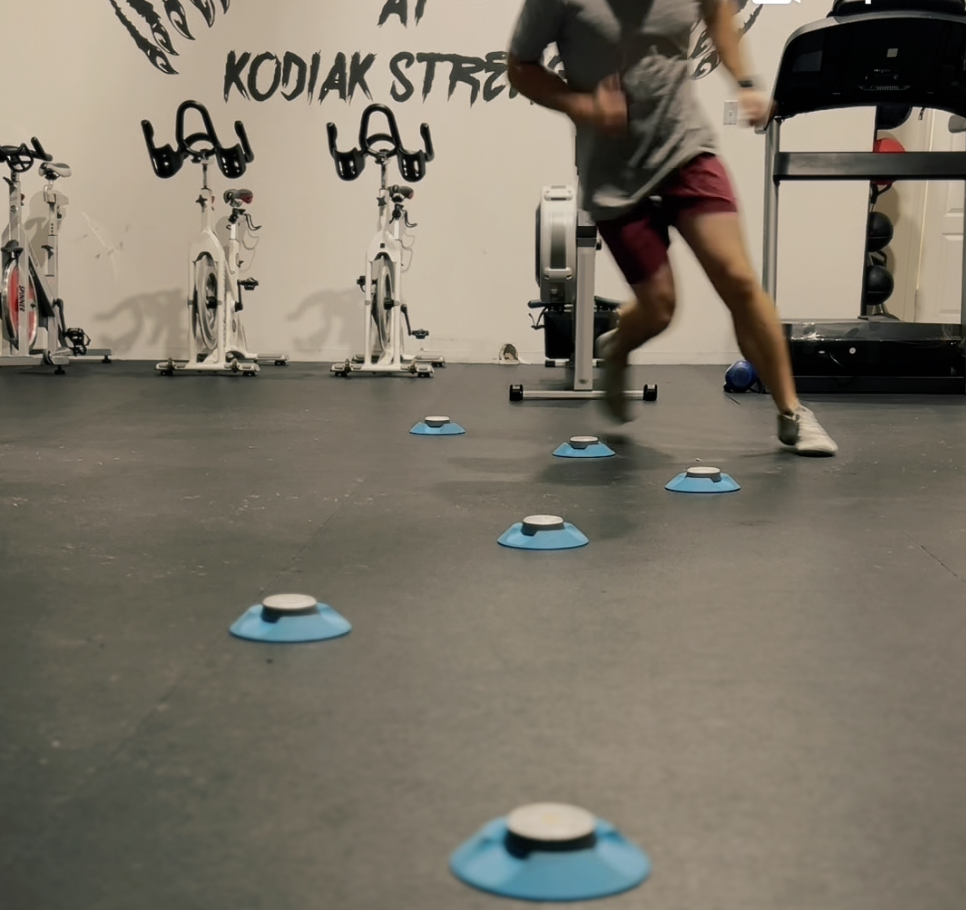
Reactive Agility: Why Change of Direction Training Has to Progress Beyond Cones
Reactive agility is more than running through cones. This week’s blog breaks down the difference between change of direction and agility, why reaction and decision-making matter for athletes, and how training should progress toward sport-specific movement.
At Ignite Performance Physical Therapy, we use a systematic approach to help athletes build speed, agility, and performance while modifying injury risk.
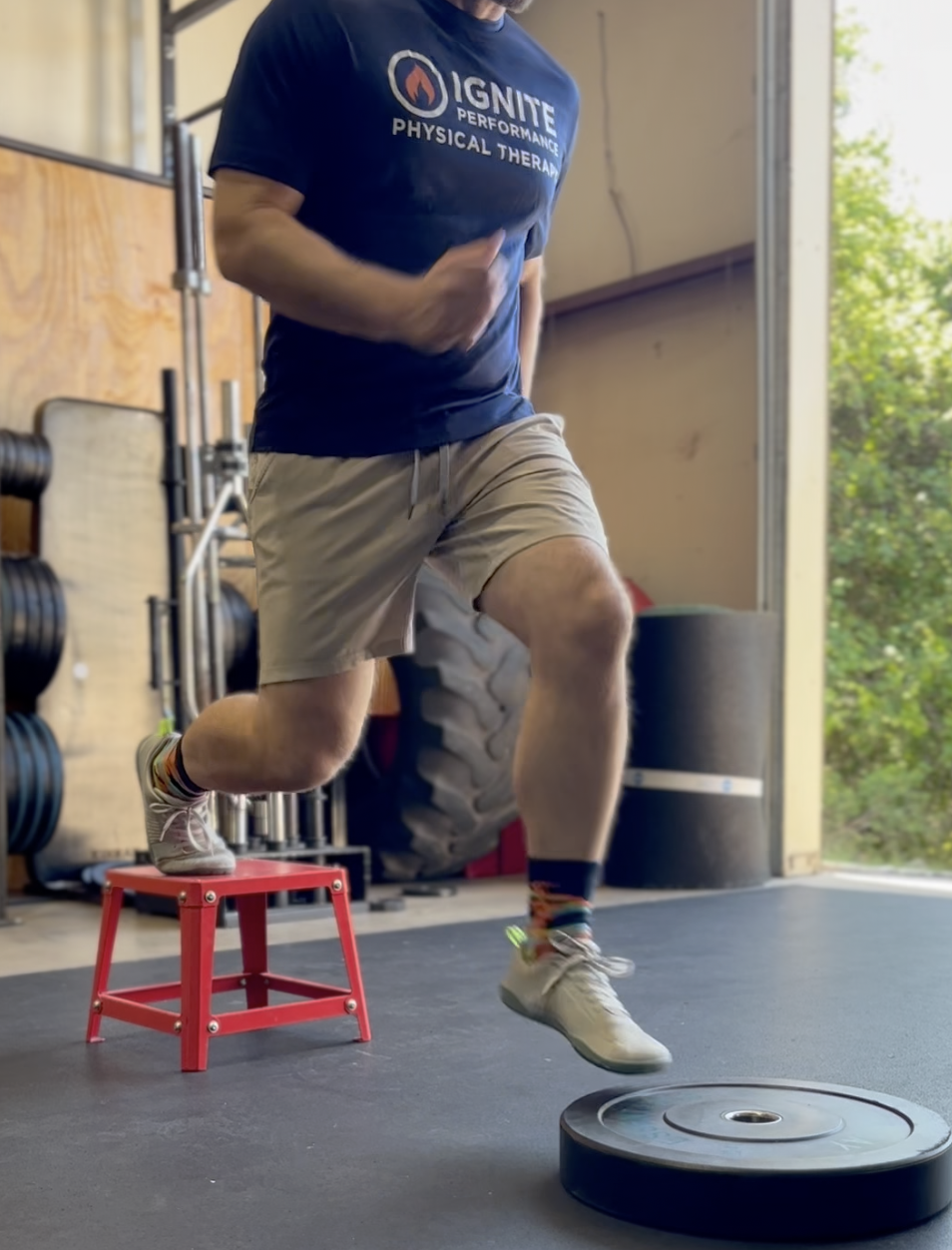
From Braking to Power: Why Change of Direction Requires More Than Quick Feet
This week’s blog breaks down how athletes transition from braking to re-acceleration, why force production matters, and how exercises like single-leg RDL to step-ups and Bulgarian split squat pogos can help build the qualities needed for speed, agility, injury prevention, and performance.
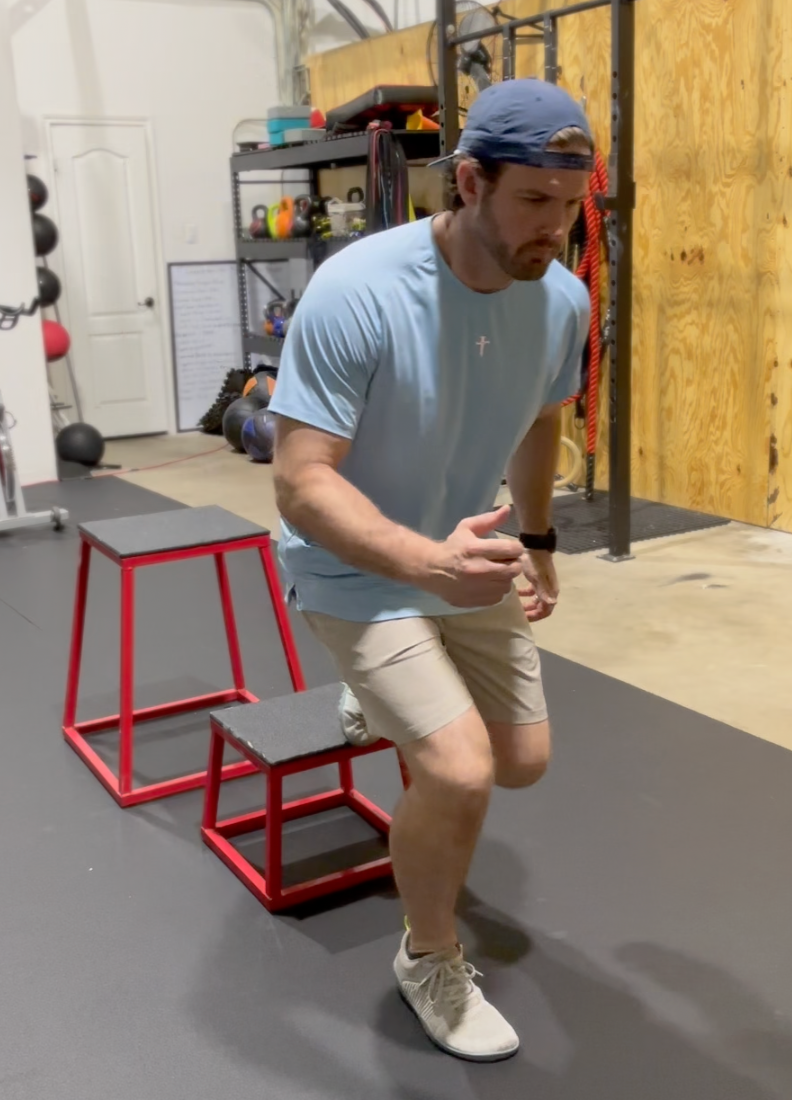
Why Eccentric Strength Matters for Change of Direction
Most athletes focus on getting faster—but performance and injury prevention also depend on how well they can slow down and control force.
This week’s blog breaks down why eccentric strength is such an important part of change of direction, deceleration, and re-acceleration. We also explain how we assess force production and use that information to guide training.
If you or your athlete are working on speed, agility, or performance, this is an important piece to understand.
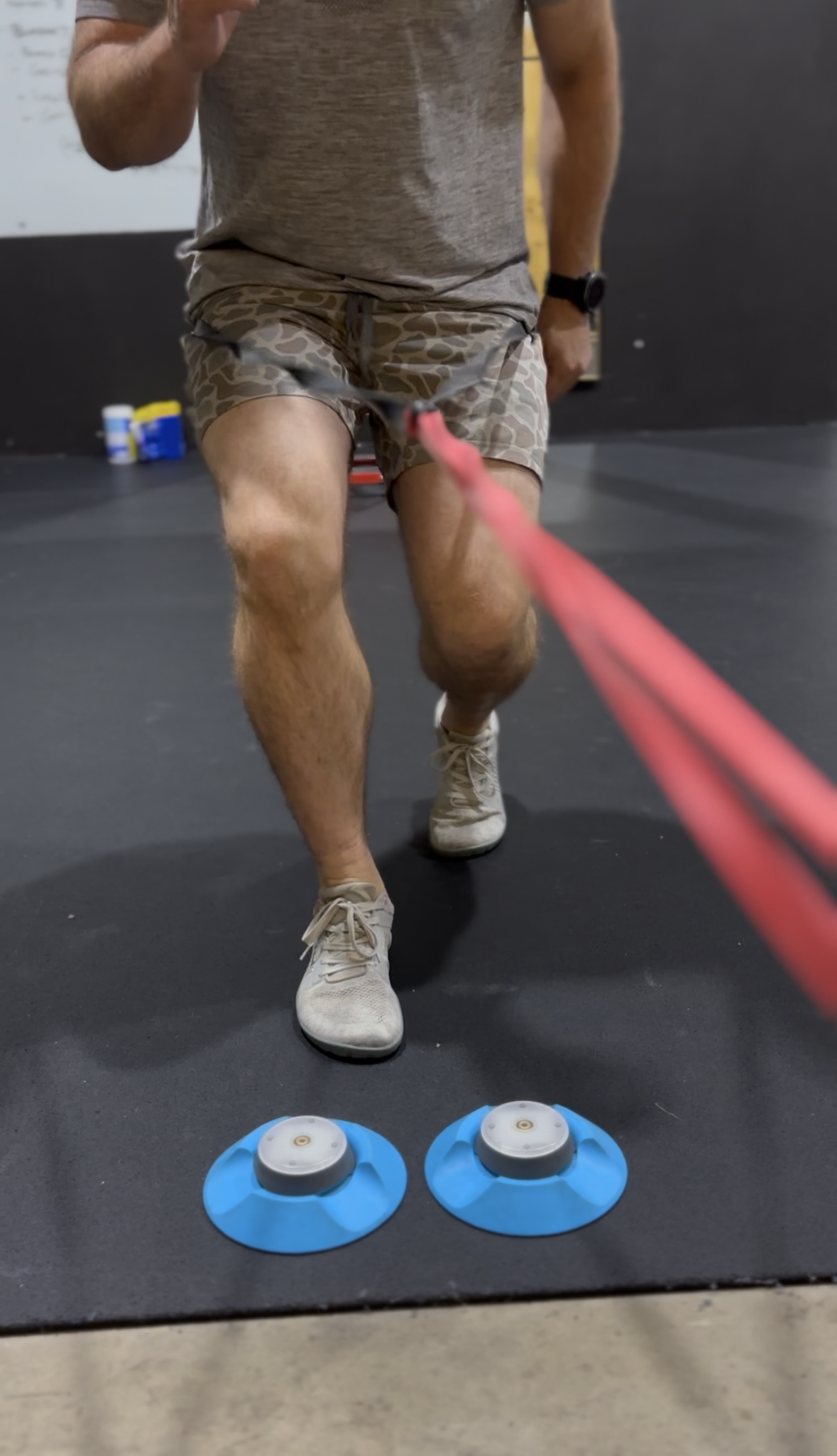
Why Deceleration Is the Missing Piece of Performance
Most athletes focus on how fast they can go—but performance and injury risk often come down to how well you can slow down.
This week’s blog breaks down why deceleration is a critical piece of change of direction, and how it impacts both performance and injury prevention.
If you or your athlete want to move better, perform at a higher level, and normalize injury risk, this is an important concept to understand.
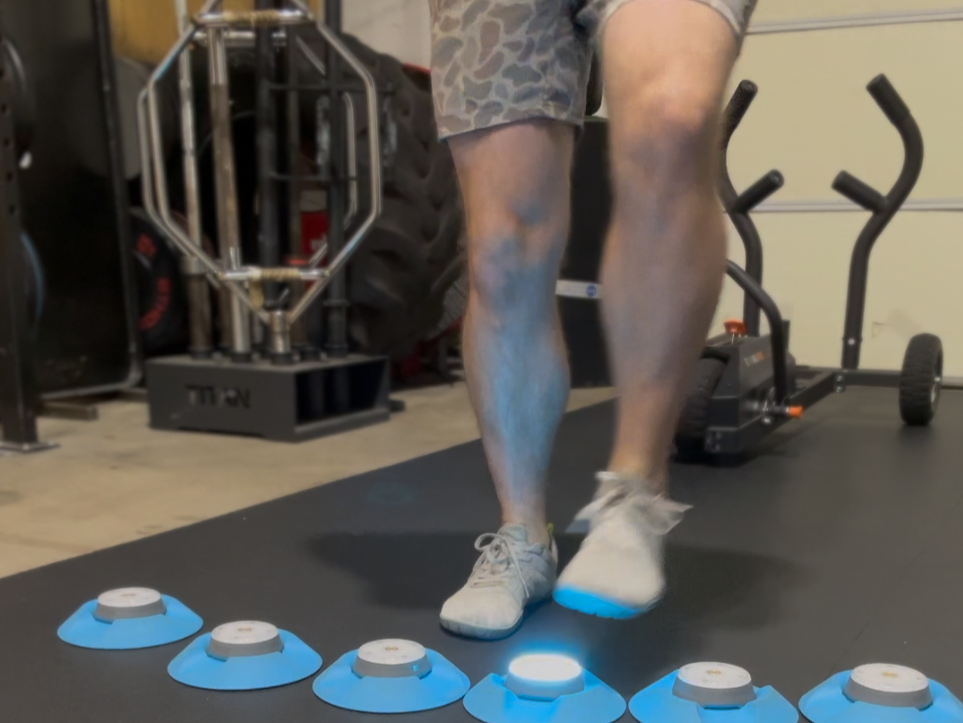
Why Change of Direction Matters More Than You Think
Most athletes train speed—but overlook how they slow down and change direction. This blog introduces change of direction (COD) and why it plays a critical role in both performance and injury prevention. Learn how proper assessment, control, and progression can help athletes move more efficiently and stay healthy.