


Reactive Agility: Why Change of Direction Training Has to Progress Beyond Cones
Reactive agility is more than running through cones. This week’s blog breaks down the difference between change of direction and agility, why reaction and decision-making matter for athletes, and how training should progress toward sport-specific movement.
At Ignite Performance Physical Therapy, we use a systematic approach to help athletes build speed, agility, and performance while modifying injury risk.
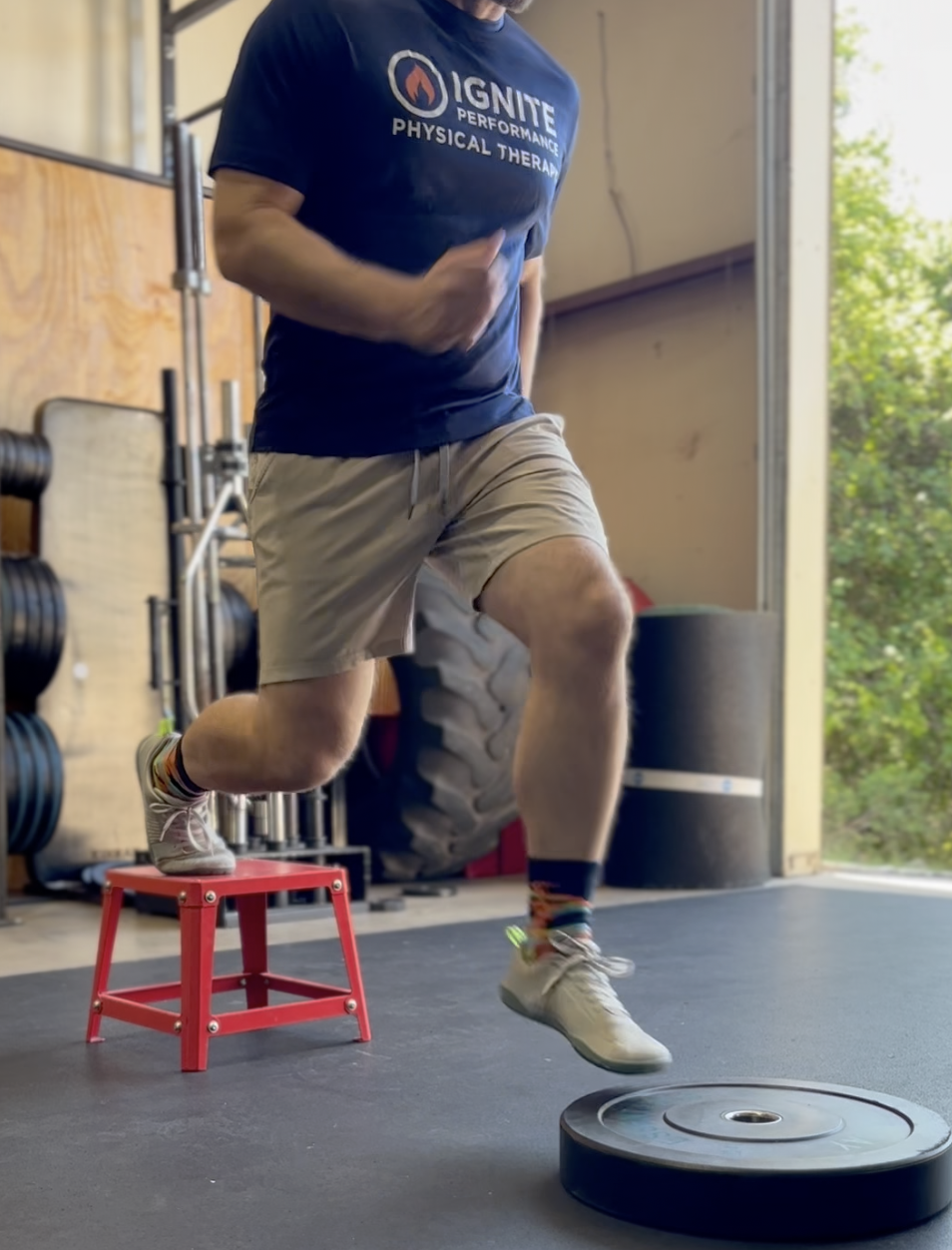
From Braking to Power: Why Change of Direction Requires More Than Quick Feet
This week’s blog breaks down how athletes transition from braking to re-acceleration, why force production matters, and how exercises like single-leg RDL to step-ups and Bulgarian split squat pogos can help build the qualities needed for speed, agility, injury prevention, and performance.
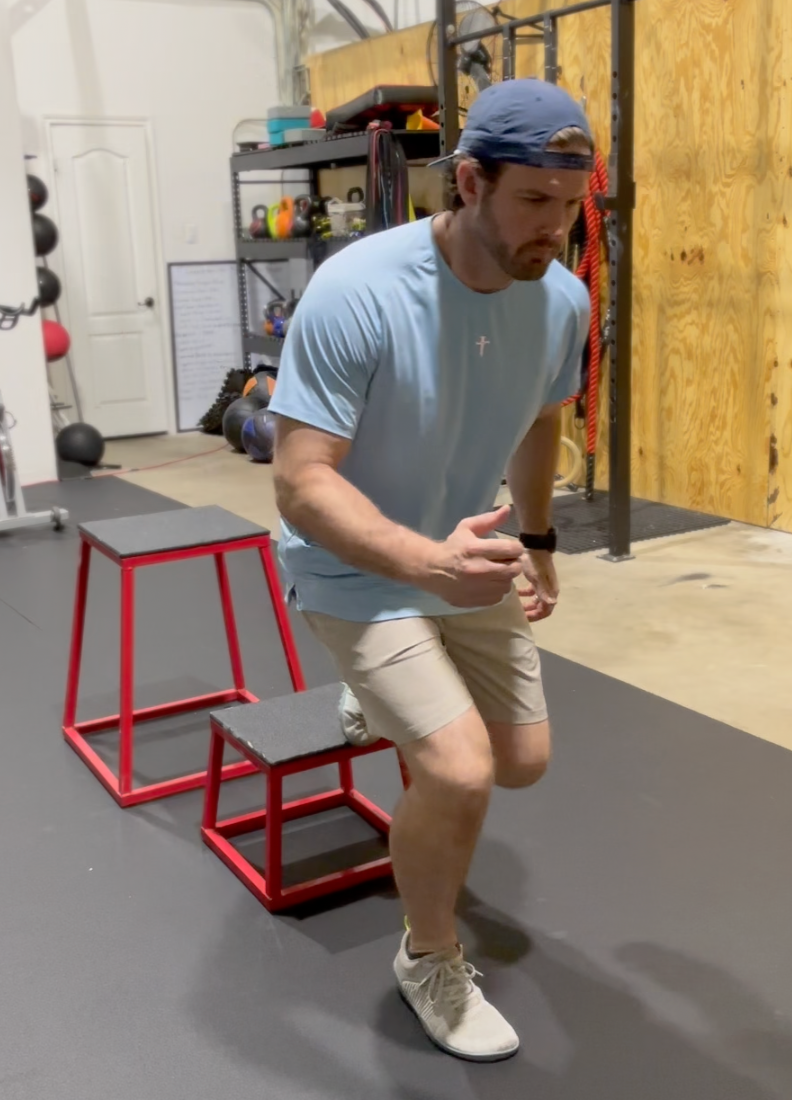
Why Eccentric Strength Matters for Change of Direction
Most athletes focus on getting faster—but performance and injury prevention also depend on how well they can slow down and control force.
This week’s blog breaks down why eccentric strength is such an important part of change of direction, deceleration, and re-acceleration. We also explain how we assess force production and use that information to guide training.
If you or your athlete are working on speed, agility, or performance, this is an important piece to understand.
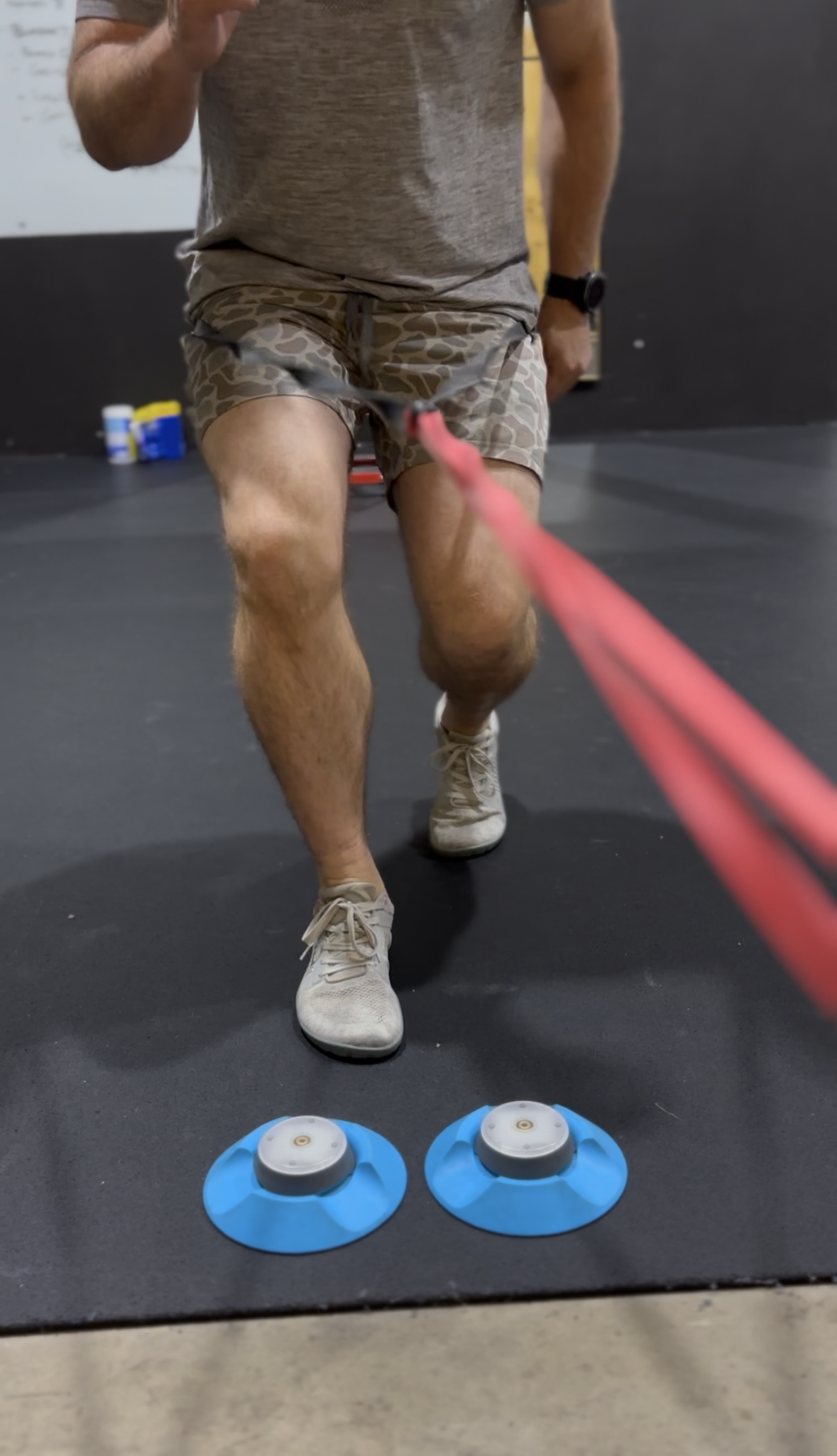
Why Deceleration Is the Missing Piece of Performance
Most athletes focus on how fast they can go—but performance and injury risk often come down to how well you can slow down.
This week’s blog breaks down why deceleration is a critical piece of change of direction, and how it impacts both performance and injury prevention.
If you or your athlete want to move better, perform at a higher level, and normalize injury risk, this is an important concept to understand.