

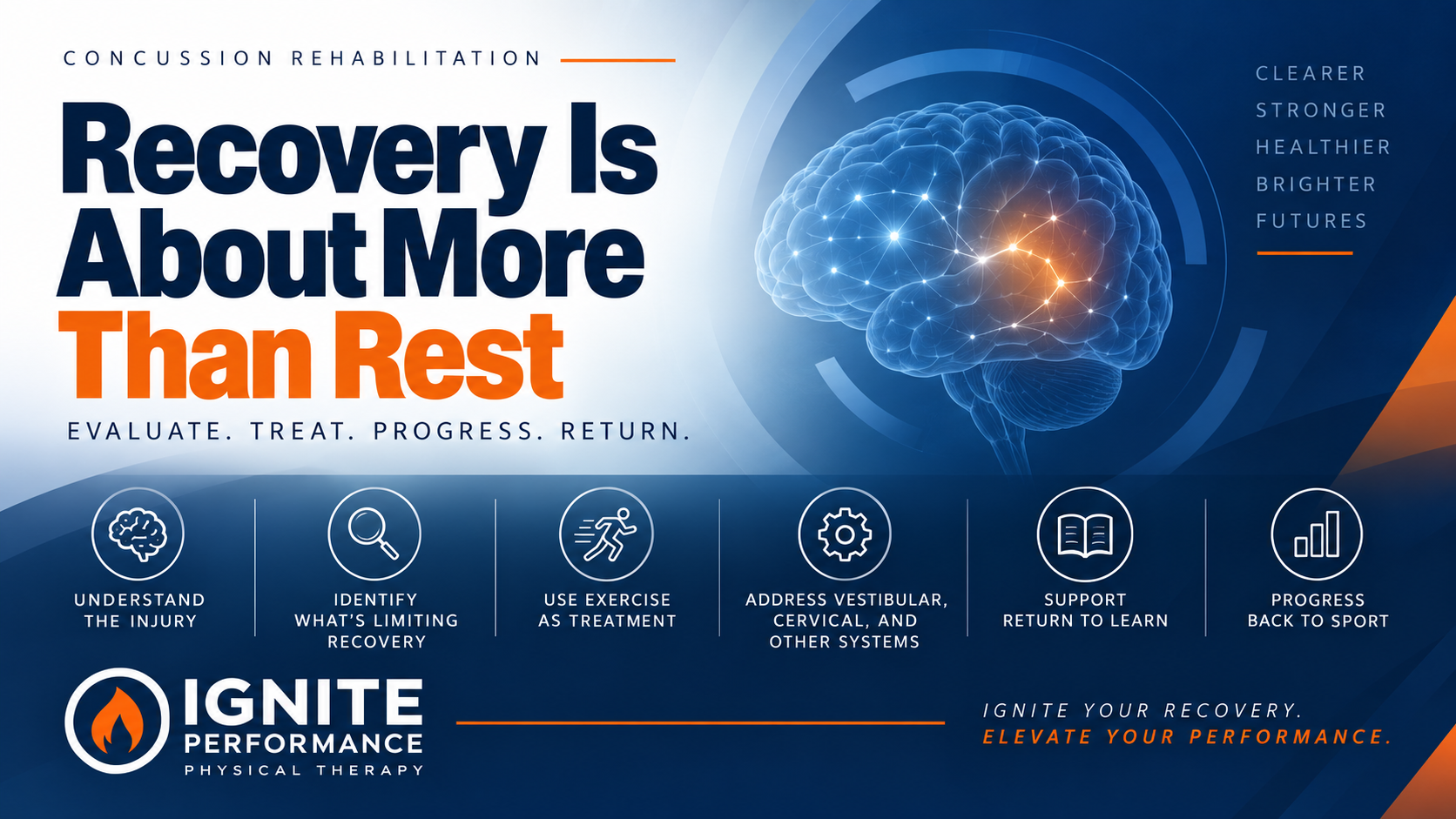
Concussion Rehabilitation: Why Recovery Is About More Than Rest
Concussion recovery is about more than waiting for symptoms to disappear. Learn how progressive exercise, vestibular and cervical rehabilitation, return-to-learn strategies, and a gradual return to sport can help guide an individualized recovery.
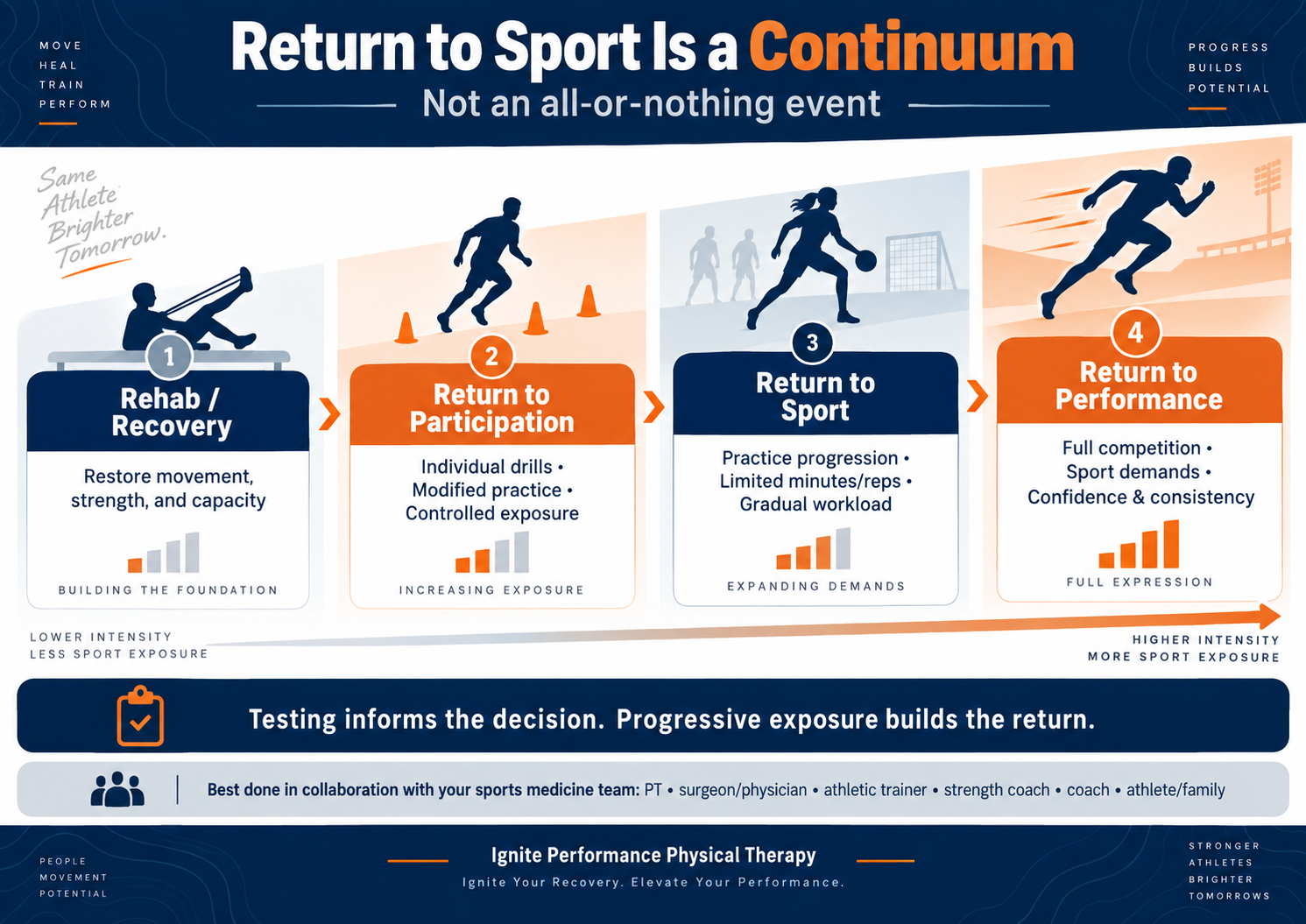
Return to Sport Is a Process, Not a Pass/Fail Test
Return to sport should not be an all-or-nothing decision. Objective testing helps inform readiness, but a successful return also requires progressive exposure to practice, workload, sport-specific demands, and competition. Learn why return to sport is a continuum—and why collaboration between the athlete, physical therapist, athletic trainer, physician, coaches, and other members of the sports medicine team matters.
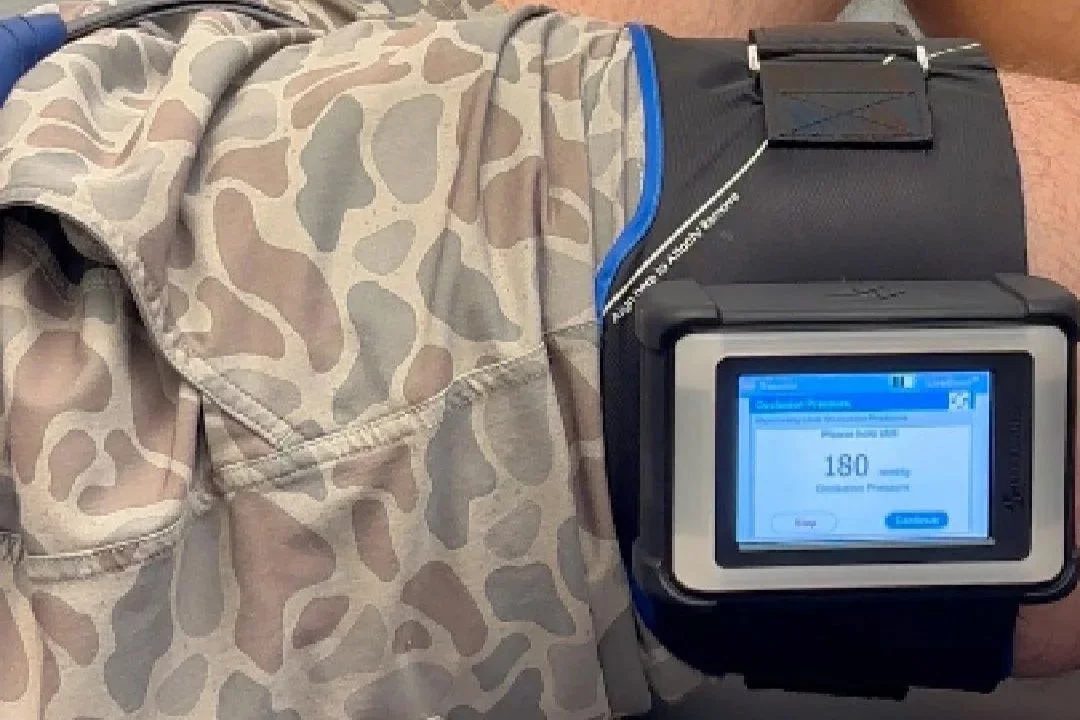
Blood Flow Restriction Training in Physical Therapy: Why BFR Can Be Such a Powerful Tool in Rehabilitation
Blood flow restriction training can help athletes and active adults build strength and muscle when pain, surgery or tissue tolerance temporarily limits heavy resistance training. Learn how BFR works, where it fits in rehabilitation, and why it is best viewed as a bridge toward progressively higher levels of strength and performance.
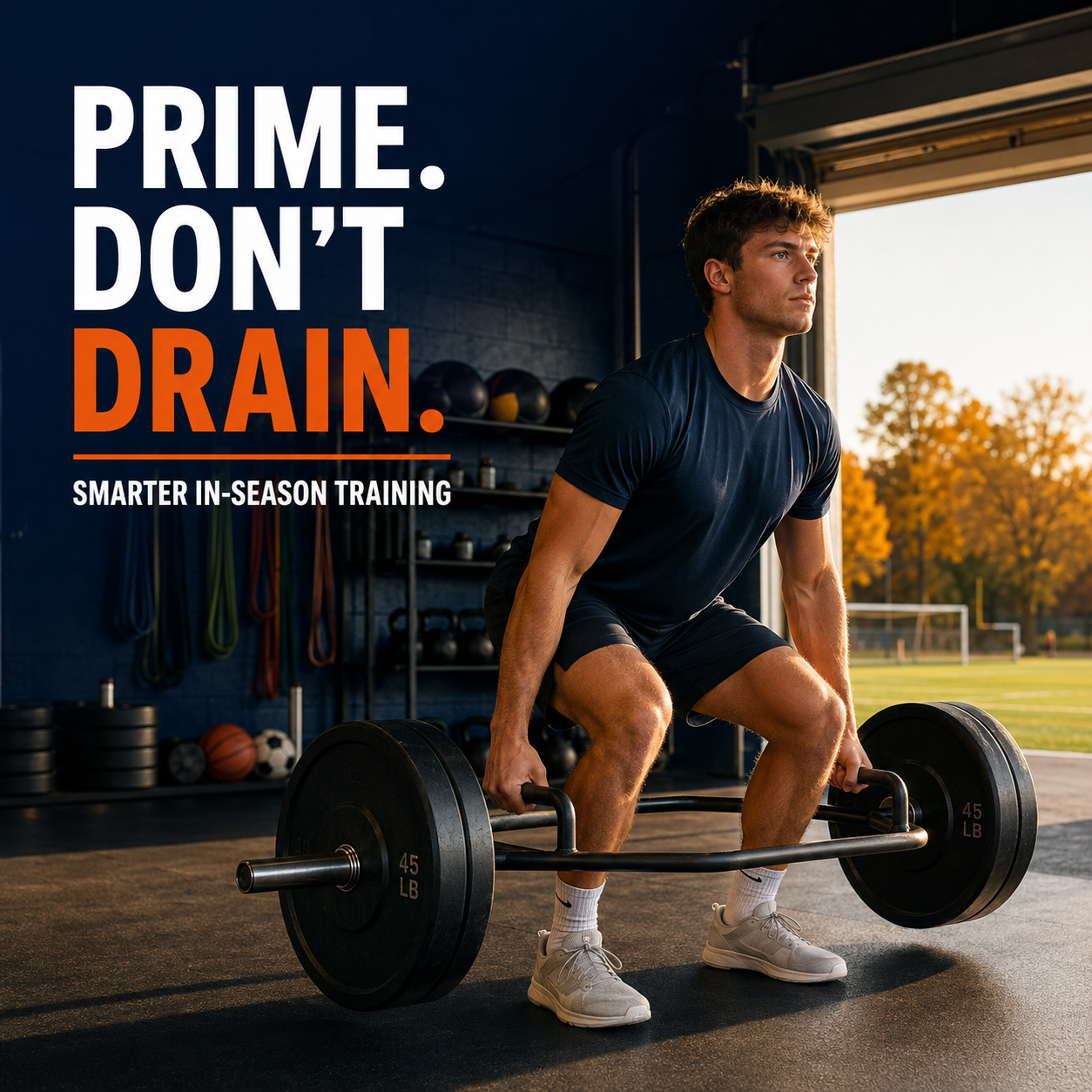
Should Athletes Strength Train During Their Sports Season?
Strength training shouldn’t disappear when an athlete’s season begins—it should adapt. Learn how focused, appropriately timed training can help athletes maintain strength, speed, and power without creating unnecessary fatigue before practices and competitions.
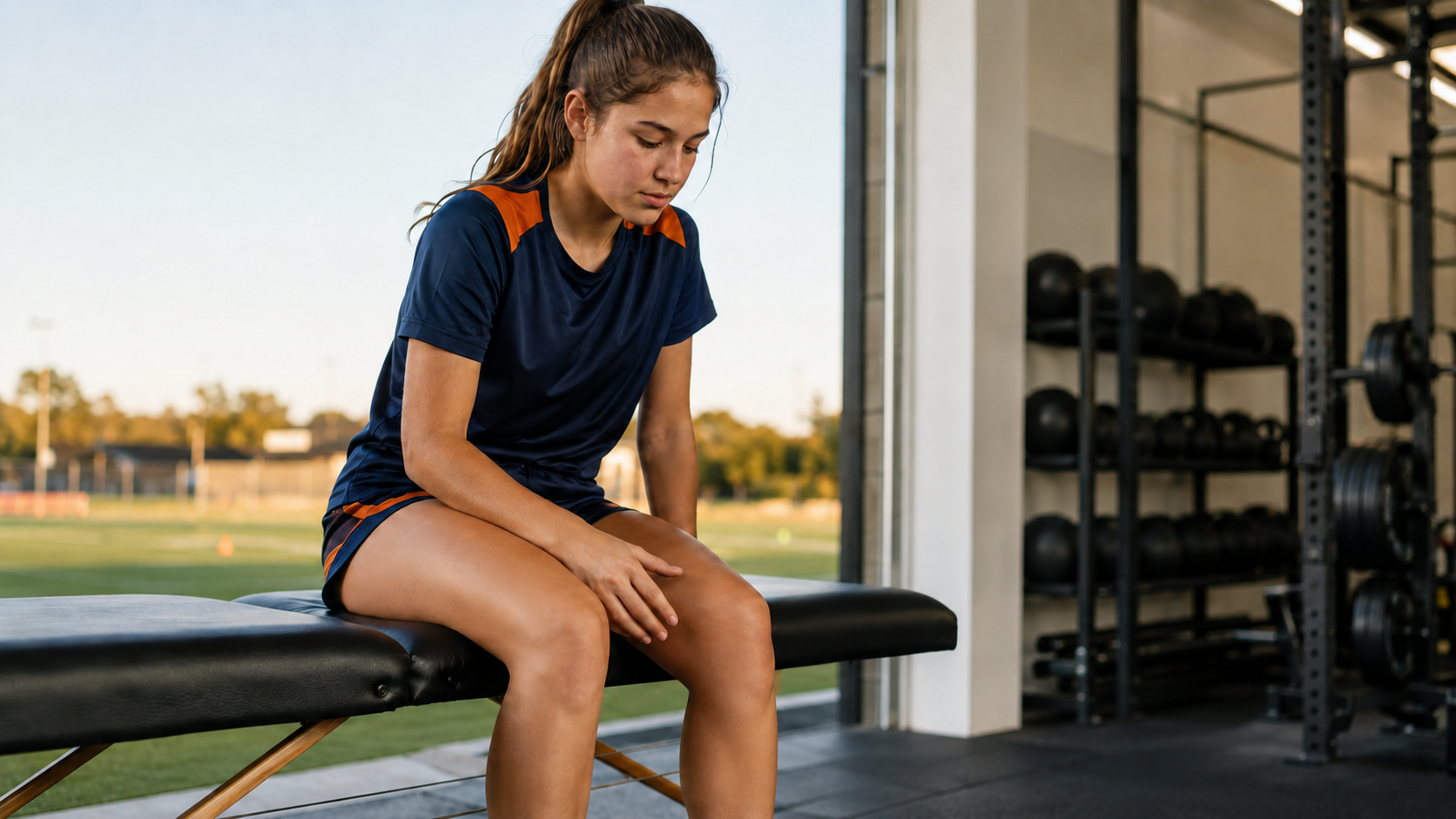
Is It Normal Soreness or a Sports Injury? What Parents and Athletes Should Watch For
Fall practices are underway, and some soreness is expected—but recurring pain shouldn’t simply be ignored. Learn how to recognize normal training soreness, identify signs of a potential sports injury, and decide when your athlete may benefit from an evaluation.